Testosterone Replacement Therapy
Physician-monitored testosterone optimization for men experiencing age-related decline.
At Three Rivers Medicine in St. Louis and Creve Coeur, Missouri, our physician-led primary care testosterone therapy provides medically supervised, individualized hormone management for adults experiencing symptoms of low testosterone. This service integrates in-depth medical evaluation, lab monitoring, and ongoing physician oversight into a comprehensive treatment model, ensuring safe and effective care within your long-term health plan.
Testosterone plays a central role in energy, mood, muscle mass, bone health, and sexual function. According to clinical studies, as many as 20% of men over the age of 60 have levels below the normal range, with symptoms that may significantly impact quality of life. Testosterone therapy can improve symptoms when medically indicated; however, inappropriate use without physician supervision may lead to adverse effects, including cardiovascular risk and hormone imbalance.
Our primary care framework allows for a measured approach: careful diagnosis, structured dosing, lab-guided adjustments, and coordinated management of related health factors such as cardiovascular risk, metabolic health, and endocrine function. This physician-led model contrasts with fragmented, prescription-only approaches that lack continuity of care and thorough medical evaluation.

What Makes Our Physician-Led Approach Different?
Many clinics offer testosterone prescriptions based on limited evaluation, often via telehealth or limited testing. At Three Rivers Medicine, testosterone therapy is integrated into your primary care practice, ensuring that hormone management is aligned with your overall health plan.
Our approach includes:
- Detailed hormone testing with repeat labs to confirm diagnosis
- Evaluation of cardiovascular and metabolic risk factors
- Diagnosis of underlying causes of low testosterone
- Individualized dosing and formulation selection
- Ongoing monitoring for response and safety
This physician-led model helps reduce risks associated with inappropriate dosing, unsupervised therapy, and fragmented care. Research indicates that coordinated primary care models result in better chronic disease outcomes compared with episodic or concierge-only services disconnected from routine medical records and preventive planning.
For patients interested in broader preventive and proactive care, Three Rivers Concierge Medicine offers a model of concierge doctor-led care with enhanced access to your clinician, modern diagnostics, and personalized follow-up plans aligned with hormone management and overall wellness.

Who Should Consider Testosterone Therapy?
Testosterone therapy may be appropriate for adults (typically ages 30–80) who:
- Have symptoms consistent with low testosterone
- Have lab-confirmed low testosterone levels on multiple tests
- Are interested in physician-supervised, long-term hormone care
- Prefer coordinated care within a primary care setting
This therapy is not appropriate for patients who:
- Expect one-time prescriptions without physician follow-up
- Seek acute care only or have urgent medical complaints
- Are being evaluated solely through insurance-only episodic encounters
- Have untreated prostate cancer or significant cardiovascular instability (contraindications determined by physician)
How the Testosterone Therapy Process Works
Step 1: Initial Medical Assessment
Your clinician performs a comprehensive health review, including medical history, symptom assessment, and lab testing. Accurate diagnosis is foundational to safe hormone therapy.
Step 2: Lab Evaluation
Testosterone levels vary throughout the day; we obtain multiple measurements including free and total testosterone, SHBG, and related biomarkers to confirm diagnosis and rule out confounding conditions.
Step 3: Personalized Treatment Plan
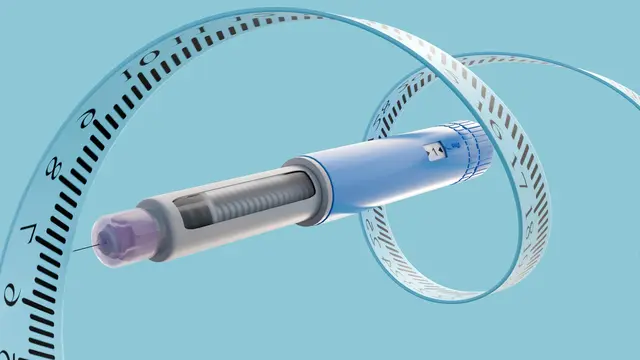
If appropriate, your physician will recommend a tailored regimen that may include topical, injectable, or other medically approved testosterone formulations. Dosing is individualized to optimize benefits and minimize risk.
Step 4: Ongoing Monitoring and Adjustment
Follow-up labs and clinical evaluations occur at regular intervals to track hormone levels, symptom response, and safety markers like hematocrit. Changes in dosing are made based on clinical criteria—not arbitrary timelines.

Frequently Asked Questions
What are the signs of low testosterone in men?
The most common signs of low testosterone include persistent fatigue that doesn't improve with rest, reduced motivation, difficulty building or maintaining muscle mass, increased body fat — particularly around the midsection — and a noticeable decline in libido or sexual performance. Many men also experience brain fog, irritability, poor sleep quality, and a general sense that something is "off" even when they can't pinpoint a specific cause.
These symptoms develop gradually, which is why many men attribute them to aging or stress rather than a hormonal issue. At Three Rivers Concierge Medicine in St. Louis, Dr. Shoemaker evaluates the full clinical picture — not just a single lab value — to determine whether low testosterone is the root cause or whether something else is driving your symptoms. That distinction matters, because treating the wrong problem won't help you feel better.
How do I know if I need TRT?
The honest answer: you don't know until a physician evaluates you properly. Symptoms like low energy, weight gain, reduced libido, and poor concentration can point to low testosterone — but they can also result from thyroid dysfunction, sleep apnea, depression, metabolic issues, or other treatable conditions.
At Three Rivers Concierge Medicine, Dr. Shoemaker starts with a comprehensive evaluation that includes detailed lab work, a thorough health history, and an honest conversation about your symptoms and goals. If your testosterone levels are clinically low and your symptoms align, TRT may be appropriate. If they don't, she'll identify what's actually going on rather than defaulting to a prescription.
This is what separates a physician-led approach from retail TRT clinics or online prescribers that treat a lab number in isolation. Testosterone therapy is a serious medical intervention — not a lifestyle upgrade — and the decision to start should be made carefully, with a doctor who understands your complete health picture.
What are normal testosterone levels by age?
Total testosterone in adult men generally falls between 300 and 1,000 ng/dL, but "normal" is more nuanced than a single number. Levels naturally decline about 1–2% per year after age 30, so a 55-year-old and a 25-year-old shouldn't be evaluated against the same benchmark. Free testosterone — the portion your body can actually use — matters just as much as total testosterone, and many standard panels don't include it.
What's more important than where you fall on a reference range is whether your levels explain your symptoms. Some men function well at 400 ng/dL; others feel terrible. At Three Rivers Concierge Medicine, Dr. Shoemaker interprets your labs in context — your age, symptoms, health history, and goals — rather than treating a number on a page. This is why a physician-led evaluation matters more than an at-home test kit or a quick telehealth visit that looks at one data point in isolation.
Is TRT safe?
When prescribed by a qualified physician and monitored with regular lab work, testosterone replacement therapy has a well-established safety profile. Decades of clinical data support its use in men with confirmed low testosterone, and most patients tolerate it well when dosing is individualized and adjusted over time.
The risks increase when TRT is prescribed without proper evaluation, without ongoing monitoring, or at doses designed to push levels beyond what's physiologically appropriate. This is where retail clinics and online prescribers often fall short — they may start treatment without a thorough medical history or skip the follow-up labs that catch problems early.
At Three Rivers Concierge Medicine in St. Louis, Dr. Shoemaker monitors bloodwork at regular intervals — including hematocrit, PSA, lipids, and metabolic markers — and adjusts your protocol based on how your body responds. Safety isn't a one-time checkbox; it's an ongoing process that requires a physician who knows your full health picture.
How much does TRT cost in St. Louis?
The cost of testosterone therapy in St. Louis varies widely depending on where you go and how the practice operates. Retail TRT clinics and online prescribers often charge $150–$300+ per month for treatment packages that bundle medications, labs, and visits into a subscription — but may not include comprehensive health monitoring or access to a primary care physician.
At Three Rivers Concierge Medicine, testosterone therapy is managed as part of your concierge membership, which means it's integrated into your overall healthcare — not treated as a standalone product. Your membership includes extended visits, direct physician access, and the kind of ongoing monitoring that standalone clinics typically don't provide. Lab work and medications are billed through your insurance where applicable.
If cost is a concern, it's worth asking what's actually included. A lower monthly price that skips proper monitoring isn't a better deal — it's a different (and potentially riskier) level of care.
How long does it take for TRT to work?
Most men begin noticing improvements within 3 to 6 weeks of starting testosterone therapy, though the timeline varies depending on the symptom. Energy and mood often improve first — sometimes within the first few weeks. Changes in libido, body composition, and mental clarity typically follow over 2 to 3 months. Full effects on muscle mass, fat distribution, and bone density can take 6 to 12 months.
It's important to have realistic expectations. TRT is not an overnight fix, and the pace of improvement depends on your starting levels, the delivery method, your overall health, and how consistently you follow the protocol. At Three Rivers Concierge Medicine, Dr. Shoemaker checks labs at regular intervals and adjusts dosing based on both your numbers and how you're actually feeling — because the goal isn't just a better lab result, it's meaningful improvement in your day-to-day life.
If you're not seeing progress on the expected timeline, that's a conversation worth having with your physician — not a reason to increase your dose on your own.
What are the side effects of testosterone therapy?
The most commonly reported side effects of TRT include acne, fluid retention, increased red blood cell count (polycythemia), and changes in mood or sleep. Some men experience testicular atrophy or reduced sperm production, which is an important consideration for those who may want children in the future. Less common but more serious risks include elevated blood pressure, changes in cholesterol levels, and — in rare cases — liver stress with certain oral formulations.
Most side effects are manageable and often preventable with proper monitoring and dosing adjustments. This is why ongoing lab work is non-negotiable. At Three Rivers Concierge Medicine, Dr. Shoemaker tracks key markers — hematocrit, PSA, lipid panels, and metabolic indicators — at regular intervals and adjusts your protocol proactively rather than reactively. If a side effect does emerge, having a physician who knows your full medical history means it can be addressed quickly and in context, not with a generic response from a call center.
Is TRT covered by insurance?
In many cases, yes — but it depends on your diagnosis, your insurance plan, and the delivery method. Most insurance plans cover testosterone therapy when there's a documented diagnosis of hypogonadism (clinically low testosterone confirmed by lab work and symptoms). Coverage typically applies to the medication itself and the lab work used to monitor treatment.
What's usually not covered is the type of concierge-style access and extended visit time that makes physician-led TRT safer and more effective. At Three Rivers Concierge Medicine, your membership provides the direct physician relationship, unhurried appointments, and ongoing oversight that insurance-based practices can't realistically offer with 10-minute visits and panels of 2,000+ patients. The medications and labs themselves can often be billed through your insurance, keeping out-of-pocket costs reasonable.
Dr. Shoemaker's team can help you understand what your specific plan covers before you start treatment so there are no surprises.
What is the difference between injections, creams, and pellets?
The three most common testosterone delivery methods each have trade-offs in terms of convenience, consistency, and cost.
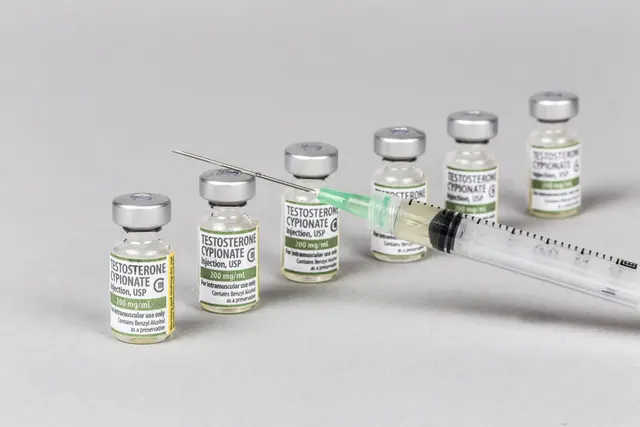
Injections (typically weekly or biweekly) are the most widely used and generally the most affordable option. They provide reliable absorption but can produce peaks and valleys in testosterone levels between doses — some men feel great the first few days and then notice a dip before the next injection.
Topical creams or gels are applied daily and provide more stable day-to-day levels. The trade-off is the need for daily application, the risk of skin transfer to partners or children, and variable absorption depending on your skin and application site.
Pellets are implanted under the skin every 3 to 6 months and offer the most hands-off experience. However, once placed, the dose can't be easily adjusted if you experience side effects, and the procedure itself carries minor surgical risks.
At Three Rivers Concierge Medicine, Dr. Shoemaker recommends a delivery method based on your lifestyle, symptoms, lab values, and preferences — not based on what's most profitable for the practice. The right method is the one you'll use consistently and that keeps your levels stable.
Can TRT help with weight loss?
Testosterone plays a role in metabolism, muscle maintenance, and fat distribution, so restoring clinically low levels can support body composition changes — particularly reductions in abdominal fat and improvements in lean muscle mass. Some men do lose weight on TRT, but it's typically a gradual shift in body composition rather than dramatic weight loss.
That said, TRT is not a weight loss drug, and clinics that market it primarily as one are oversimplifying the science. If excess weight is your main concern, there may be more effective interventions — including metabolic evaluation, nutritional guidance, or medically supervised weight loss programs — that address the root cause more directly.
At Three Rivers Concierge Medicine, Dr. Shoemaker evaluates whether low testosterone is contributing to your weight concerns or whether other factors are driving them. If TRT is part of the solution, it's prescribed alongside lifestyle recommendations that support lasting results — not as a standalone quick fix.
Related Services and Internal Resources
To support your comprehensive health journey, explore our related care offerings, including Internal Medicine for chronic disease management and ongoing health optimization. For broader preventive care and enhanced clinician access, learn more about Concierge Medicine. For educational content on hormone health and metabolic wellness, visit our News & Insights section.
Healthcare designed around you.
- Personal approach
- Around-the-clock access
- Care without compromise
Concierge medicine means more time with your doctor, same-day availability, and a proactive plan built around your goals — not a waiting room. Three Rivers Concierge Medicine serves those who expect more from their healthcare.
Call (314) 744-5914 or schedule a complimentary consultation to get started.
Other Services