Nutrition Counseling
Physician-guided nutrition plans grounded in your labs, lifestyle, and goals.
At Three Rivers Concierge Medicine, your physician provides personalized nutrition counseling to help you achieve your health and wellness goals. We understand the important role that diet plays in your overall health, and we are here to offer expert guidance to help you make informed dietary choices that support your long-term well-being.
Nutrition Counseling Q & A
What is Nutrition Counseling?
Nutrition counseling focuses on the impact of diet on health outcomes. The foods you eat directly affect your energy levels, mood, and general health. If your diet is high in processed foods, sugars, or unhealthy fats, you may be at increased risk for chronic conditions such as diabetes, heart disease, or obesity. However, by eating a balanced diet rich in fruits, vegetables, lean proteins, and whole grains, you can significantly improve your health and well-being.
What Does Nutrition Counseling Involve?
Nutrition counseling at Three Rivers Concierge Medicine includes several essential steps to ensure a personalized approach to your health:
Initial Consultation
Your first appointment includes a comprehensive review of your current diet, including what foods you typically eat, your calorie intake, and how often you prepare meals at home. Honest and open communication during this discussion is key to developing a customized nutrition plan that best suits your needs.
Laboratory Testing
As part of your personalized plan, your physician may recommend lab tests, including blood work, to identify any nutritional deficiencies or underlying health issues. These tests help us understand the best way to support your health with targeted dietary changes.
Customized Nutrition Plan
Based on the results of your consultation and lab tests, we will create a tailored nutrition counseling plan that includes specific meal ideas, snack options, and recommendations for vitamins or nutritional supplements. This plan is designed to meet your unique health needs and help you achieve your goals.
Follow-Up Appointments
We will schedule regular follow-up visits to track your progress. During these visits, your physician will evaluate your health improvements, make any necessary adjustments to your plan, and continue providing support and guidance throughout your wellness journey.

What Role Do Weight Loss Medications Play in Nutrition Counseling?
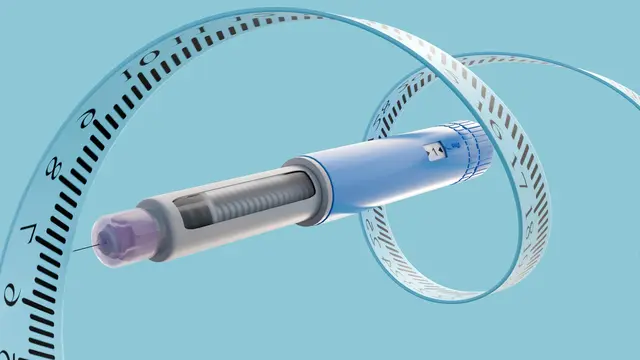
In some cases, patients may benefit from medical support in addition to lifestyle changes for managing their weight. Medications like GLP-1 receptor agonists (e.g., semaglutide or liraglutide) have become popular options for patients who struggle with weight management through diet and exercise alone. These medications work by enhancing feelings of fullness, reducing appetite, and improving glucose metabolism, which can support weight loss efforts.
How GLP-1s Can Help
- Appetite suppression: GLP-1s signal the brain to reduce hunger, which helps to control overeating.
- Improved satiety: These medications help you feel full faster, even with smaller meals.
- Better glucose control: GLP-1s help regulate blood sugar levels, which can be especially beneficial for those with insulin resistance or prediabetes.
Your physician will assess whether GLP-1s or other weight loss medications are appropriate for you as part of a comprehensive treatment plan. These medications are often prescribed alongside a healthy eating plan, exercise, and other lifestyle changes to maximize results.
Who Can Benefit from Nutrition Counseling?
Anyone looking to improve their diet and overall health can benefit from nutrition counseling. Whether you want to lose weight, manage a chronic illness, or simply feel more energized, nutrition counseling can provide the tools and resources you need to succeed. It is also an excellent option for individuals experiencing fatigue, digestive issues, or difficulty managing weight.
Is Nutrition Counseling Safe?
Yes, nutrition counseling is safe and typically well-tolerated. All plans are tailored to your unique health history and needs, ensuring the best possible outcomes. If you have concerns or questions about the counseling process, feel free to contact our team at Three Rivers Concierge Medicine.
Get a Personalized Nutrition Plan
Physician-guided nutrition counseling based on your labs, body composition, and health goals — not a one-size-fits-all diet.
Frequently Asked Questions
How is physician-led nutrition counseling different from seeing a nutritionist?
A physician integrates your lab data, medical history, medications, and clinical conditions into dietary recommendations — context that a standalone nutritionist typically doesn't have. The American Diabetes Association recognizes medical nutrition therapy as a clinical intervention that demonstrably improves outcomes for metabolic conditions — and at Three Rivers, Dr. Shoemaker may identify nutritional deficiencies, hormonal imbalances, or metabolic issues through bloodwork that explain why a generic diet plan hasn't worked. Your nutrition plan becomes a medical intervention, not just a meal guide.
What does nutrition counseling include at Three Rivers?
It starts with a comprehensive review of your current diet, lab testing to identify deficiencies or metabolic issues, and an honest conversation about your habits and goals. From there, Dr. Shoemaker creates a personalized plan with specific meal recommendations, supplement guidance, and follow-up visits to track your progress and make adjustments. Everything is tailored to your body's data, not a one-size-fits-all template.
Can nutrition counseling help with chronic conditions?
Yes — dietary intervention is a cornerstone of managing conditions like diabetes, hypertension, high cholesterol, autoimmune disorders, and inflammatory conditions, as outlined in clinical guidelines from the American Heart Association and American Diabetes Association. At Three Rivers in Creve Coeur, Dr. Shoemaker uses nutrition as a first-line treatment strategy alongside (or sometimes instead of) medication. Targeted dietary changes, guided by lab work, often produce measurable improvements in biomarkers within months.
Do you offer GLP-1 medications as part of nutrition counseling?
When diet and lifestyle modifications alone aren't producing adequate results for weight management, Dr. Shoemaker may prescribe GLP-1 medications like semaglutide as part of a comprehensive plan that includes ongoing nutritional support. These medications are most effective when combined with physician-guided nutrition counseling, not used in isolation. The decision is always based on your medical evaluation and lab data.
How often do I need follow-up nutrition appointments?
Most patients start with monthly follow-ups to track progress, review labs, and adjust the plan — then transition to quarterly visits as their dietary changes stabilize. Dr. Shoemaker uses objective data (bloodwork, body composition, symptom tracking) to gauge progress rather than relying on the scale alone. The concierge model at Three Rivers in St. Louis makes frequent check-ins practical, not burdensome.
Will you tell me I have to follow a specific diet?
No — Dr. Shoemaker doesn't prescribe rigid dietary ideologies. Recommendations are based on your labs, health conditions, and realistic lifestyle constraints, not a trendy protocol. The goal is sustainable changes that improve measurable health outcomes — not perfection, not restriction for its own sake.
Other Services