What Is Concierge Medicine? A Clear, Local Guide for St. Louis and Creve Coeur Patients
Share


A physician running 40 minutes behind schedule. A twelve-minute appointment for three different concerns. A phone tree that leads to a voicemail box no one monitors. For many St. Louis professionals juggling demanding careers and complex health needs, this version of primary care isn't just frustrating—it's fundamentally incompatible with the proactive, personalized medical strategy they need. Concierge medicine offers a different structure entirely, one built around time, access, and continuity rather than volume and billing codes.
What Concierge Medicine Actually Is
Concierge medicine is a membership-based primary care model in which members pay an annual or monthly fee for enhanced access to their physician and substantially more time during visits. This fee covers the clinical relationship, extended appointments, direct communication access, and care coordination—not the medical services themselves. According to the American Journal of Managed Care, concierge practices typically maintain patient panels of 300 to 600 members, compared to the traditional primary care average of 2,300 patients per physician.
The membership model doesn't replace health insurance. Members still use their existing insurance for labs, imaging, specialist referrals, hospital care, and prescriptions. What the membership provides is the physician's time and accessibility—the parts of care that traditional fee-for-service models have systematically devalued and compressed.
At Three Rivers Concierge Medicine in Creve Coeur, the monthly membership ensures that Dr. Shoemaker maintains a patient panel small enough to provide same-day or next-day appointments, 30- to 60-minute visits, and direct phone or text access for urgent questions. The structure prioritizes depth over throughput, allowing the kind of clinical conversation that uncovers what rushed appointments routinely miss.
How This Differs From Traditional Primary Care in St. Louis
The differences between concierge and traditional primary care aren't merely cosmetic. They're structural, rooted in how the practice finances itself and how the physician allocates time.
In traditional primary care, revenue depends on visit volume. More patients per day means higher billings. The American Medical Association reports that primary care physicians in high-volume practices see an average of 20 to 25 patients per day, with appointment slots averaging 15 to 18 minutes. Those minutes include documentation, prescription refills, care coordination, and addressing multiple concerns—often chronic conditions layered with acute complaints.
The average primary care physician in the United States manages a patient panel of 2,300 people, a volume that makes personalized, proactive care nearly impossible to deliver consistently.
Concierge medicine inverts that model. By charging a membership fee, the practice reduces dependency on visit volume, which allows the physician to drastically reduce panel size. Smaller panels mean more time per member, easier scheduling, better care continuity, and the bandwidth to practice medicine proactively rather than reactively.
For St. Louis-area professionals accustomed to waiting weeks for an appointment with their primary care physician—or being directed to urgent care for issues that require context and history—the accessibility difference is immediate. TRCM members can reach Dr. Shoemaker directly, typically the same day, without navigating phone trees or waiting for callback windows that may or may not align with their schedules.
What a Visit With Dr. Shoemaker Actually Looks Like
A typical appointment at Three Rivers Concierge Medicine lasts 30 to 60 minutes, depending on the complexity of the member's needs. The visit begins with a full review of current concerns, medications, recent specialist visits, lifestyle factors, and family history—not a hurried triage of which complaint to prioritize within a narrow time slot.
Dr. Shoemaker, a board-certified internal medicine physician with additional training in longevity medicine, approaches each member's health from a longitudinal perspective. That means understanding not just what's wrong today, but what risk factors, genetic predispositions, and modifiable behaviors could shape outcomes five, ten, or twenty years from now.
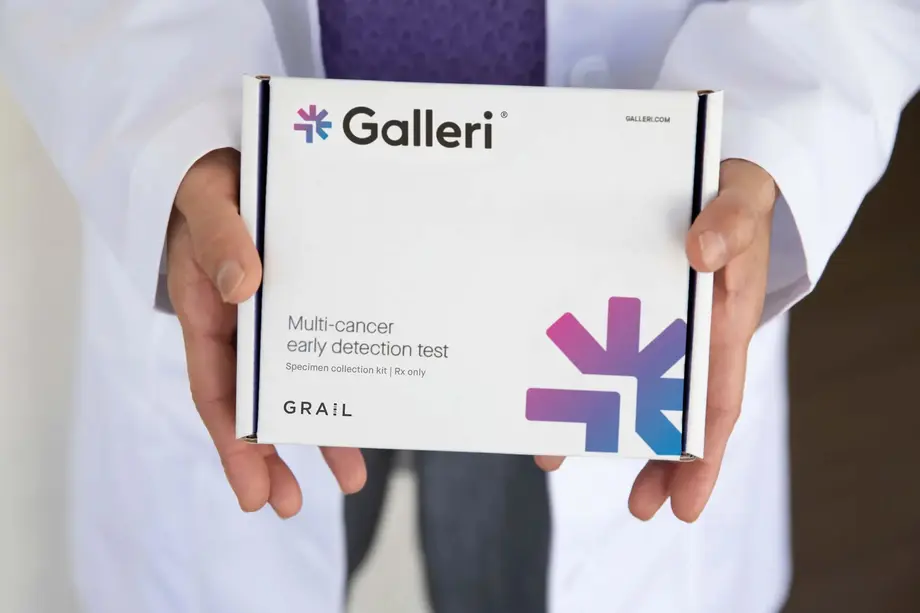
Advanced screenings are integrated where appropriate. InBody composition analysis provides precise data on muscle mass, visceral fat, and metabolic health—metrics that standard scales and BMI calculations miss entirely. For members with elevated cancer risk or family history, options like the Galleri multi-cancer early detection test and Tempus genetic profiling offer proactive surveillance that traditional annual physicals rarely include unless symptoms have already appeared.
The unhurried pace also allows for education. Members leave understanding not just what was prescribed or recommended, but why—and how each intervention fits into their broader health strategy. This level of engagement isn't an upsell; it's the baseline standard when a physician isn't racing to stay on schedule.
Cost Transparency and How Insurance Fits In
Concierge medicine memberships are priced transparently, typically as a monthly or annual fee. At Three Rivers Concierge Medicine, that membership covers the physician's time, extended visits, direct access, care coordination, and comprehensive planning—not the actual medical services or procedures.
Members continue to use their existing health insurance for everything insurance is designed to cover: lab work, imaging studies, specialist consultations, hospital admissions, surgeries, and prescriptions. The membership fee is separate, comparable to what many St. Louis professionals already spend monthly on gym memberships, subscription services, or preventive wellness programs—except this investment directly funds the physician-patient relationship that anchors all other healthcare decisions.
There are no surprise bills for phone consultations, no separate charges for care coordination between specialists, and no nickel-and-diming for follow-up questions. The cost is fixed, predictable, and designed to remove financial friction from the clinical relationship.
For professionals managing chronic conditions—hypertension, diabetes, thyroid disorders, autoimmune disease—the return on investment often becomes clear within the first few months. Better medication management, fewer unnecessary ER visits, earlier detection of complications, and more strategic use of specialists all contribute to both better outcomes and lower overall healthcare spending. According to research published in The American Journal of Medicine, concierge patients report higher satisfaction and better adherence to preventive care recommendations, factors strongly associated with reduced long-term costs.
Why Location Matters: Concierge Medicine in Creve Coeur and Greater St. Louis
Geography shapes healthcare access in ways that aren't always obvious. St. Louis has world-class hospitals—Barnes-Jewish, Mercy, Missouri Baptist—and respected specialist networks. But access to those resources depends heavily on the strength of the primary care relationship that coordinates and contextualizes specialist referrals, imaging interpretation, and treatment decisions.
Three Rivers Concierge Medicine is located in Creve Coeur, strategically positioned to serve professionals throughout West County, Clayton, Ladue, and the broader St. Louis metro area. Dr. Shoemaker maintains affiliations and referral relationships with leading specialists across the region's major health systems, ensuring that when a member needs subspecialty care, the referral is informed, targeted, and accompanied by the clinical context that makes consultations more productive.
For members who travel frequently or split time between St. Louis and other cities, the direct access model is particularly valuable. A text or phone call to Dr. Shoemaker while traveling can prevent an unnecessary urgent care visit in an unfamiliar city, clarify whether a new symptom warrants immediate attention, or coordinate care remotely until the member returns.
Who Concierge Medicine Is Right For
Concierge medicine isn't for everyone, and it's not meant to be. The model is designed for individuals who value time, accessibility, and proactive strategy in their healthcare, and who are willing to invest in those priorities.
It's particularly well-suited for:
- Professionals managing chronic conditions who need consistent, nuanced medication management and lifestyle counseling that can't be adequately delivered in 15-minute intervals
- Executives and business owners whose schedules don't accommodate weeks-long waits for appointments or midday phone tag with medical offices
- Families seeking a single primary care physician who knows each member's history, can coordinate care across generations, and is available when questions arise
- Individuals focused on longevity and preventive optimization who want a physician trained in evidence-based precision medicine, not generic wellness trends
- Anyone frustrated with fragmented, reactive care who has experienced the consequences of poor care coordination, delayed diagnoses, or being treated as a number rather than a person
The model doesn't work as well for individuals seeking only episodic, transactional care—those who visit a physician once every few years when acutely ill and have no interest in ongoing relationship or preventive strategy. For that use case, traditional urgent care or high-volume primary care may be more appropriate and cost-effective.
What Happens Next
Understanding what concierge medicine is conceptually and experiencing what it means in practice are two different things. Three Rivers Concierge Medicine offers complimentary consultations to prospective members who want to meet Dr. Shoemaker, discuss their specific health concerns, and evaluate whether the model aligns with their priorities and expectations.
The consultation isn't a sales pitch. It's a clinical conversation designed to determine fit—whether the level of access, the appointment structure, and the physician's approach match what the individual is looking for in their primary care relationship. If it's not the right fit, Dr. Shoemaker will say so. If it is, the onboarding process is straightforward, and most new members are able to schedule their first full appointment within days.
To schedule a complimentary consultation at Three Rivers Concierge Medicine in Creve Coeur, call (314) 744-5914 or visit /services/concierge-primary-care. Learn more about Dr. Shoemaker's background and approach at /about/dr-shoemaker, or explore executive physicals for a deeper look at comprehensive health assessments designed for demanding professionals.
Sources
Related Articles